












Timera Energy offers senior consulting expertise on the management of value and risk in European power and gas markets.
We are experts in the analysis of energy assets, contracts and portfolios and the markets in which they operate.

About Timera Energy

  • Timera Energy’s Directors have extensive practical industry experience of analysis, commercial decision making and risk management in energy markets. Between them they have previously held roles at BP, Origin Energy, Williams Energy, Dynegy and JP Morgan. They have also worked as consultants to some of Europe’s leading energy companies including Statoil, E.ON, Gazprom, EDF, Centrica and Shell.

  • About the Blog

    The Timera Energy Blog aims to present original, independent and insightful analysis of European power and gas markets.

Recent Timera Energy Blog posts

China’s influence on global LNG demand

China LNG Drivers

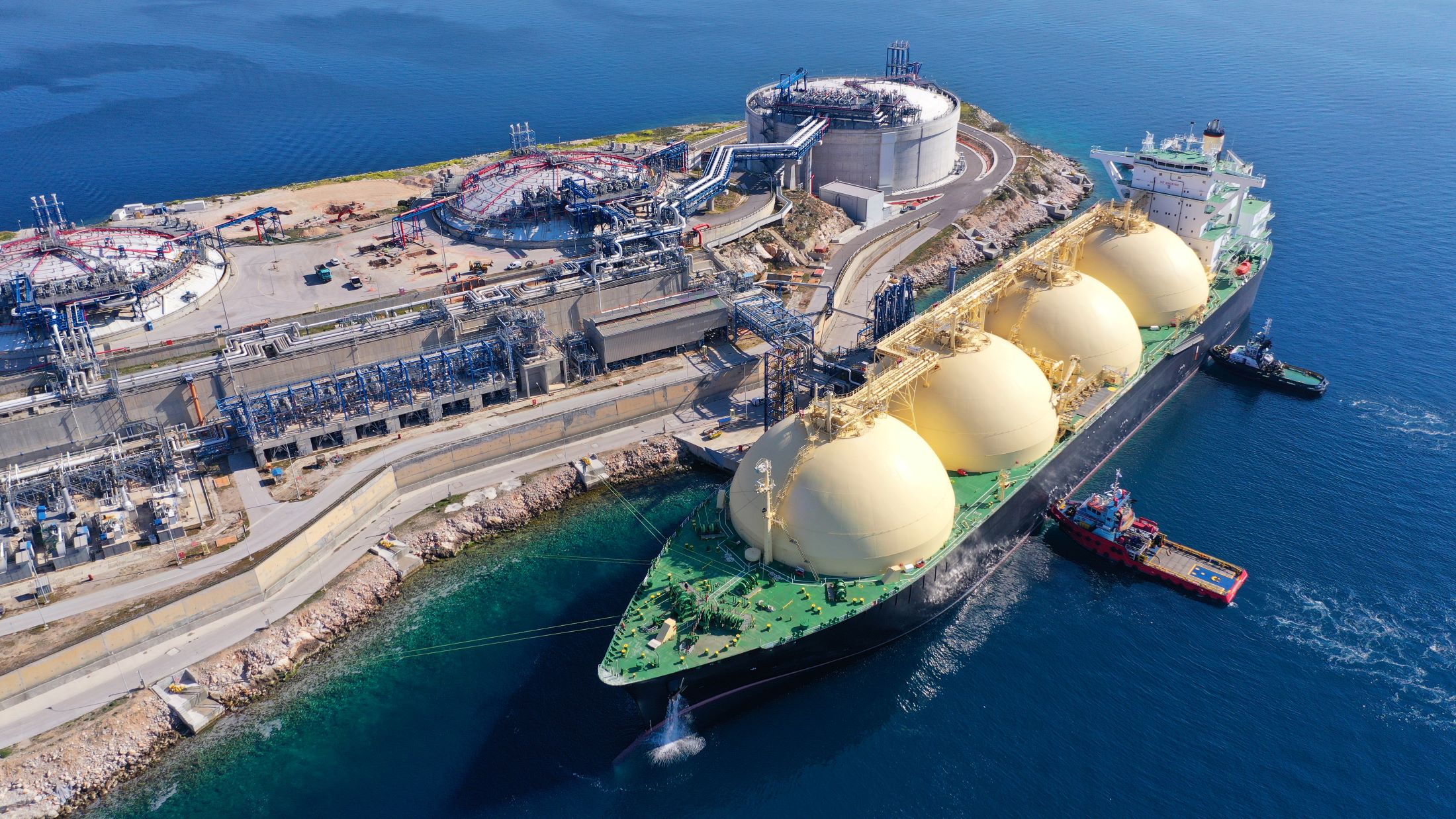
It is difficult to develop a view on evolution of the global LNG market over the next decade without a clear understanding of Chinese demand. As is often the case with China, the headline numbers are startling. If the penetration of gas increased by just 1% in China’s primary energy consumption (from 4 to 5%) it would mean an increase of approximately 27bcma of gas demand. If that volume were to be met by LNG alone, it would mean an increase in imports of 20MT per year. However the underlying drivers of Chinese demand are more complex. The volume and timing of China’s influence on global LNG demand is subject to considerable uncertainty given the complex interaction between a range of factors driving China’s import demand.

Read more...

May 14, 2012 | Tags: ,

The approaching European gas plant bust?

There has historically been a pronounced boom/bust cycle in the investment market for gas-fired power plant in Europe. The late 90’s dash for gas gave way to the post Enron bust in 2002-03 which was followed by a resurgence in gas plant investment during the 2007-08 commodity price boom. Boom periods tend to be accompanied by stronger generation margins and the easier availability of capital. Busts feature depressed spreads and capital constraints, strong features of the current environment.

Read more...

Discounting the UK carbon price floor

CPF vs EUA

The 2011 sell off in the EU ETS carbon price has left the UK government’s Carbon Price Floor (CPF) sitting at more than twice the level of the underlying market price. This has brought the weaknesses in both design and implementation of the policy into focus. The long run benefits of the CPF policy are unclear given the ability for carbon intensive industry to relocate elsewhere in the EU. The CPF is also overshadowed by a strongly political agenda to disguise support for nuclear generation. But perhaps the biggest issue with the CPF is that its implementation mechanism erodes the ‘bankability’ of the carbon price signal it is supposed to provide.

Read more...

April 30, 2012 | Tags:

The focus of feature article material on drivers of value and risk means articles retain their relevance. Search the comprehensive feature article archive.